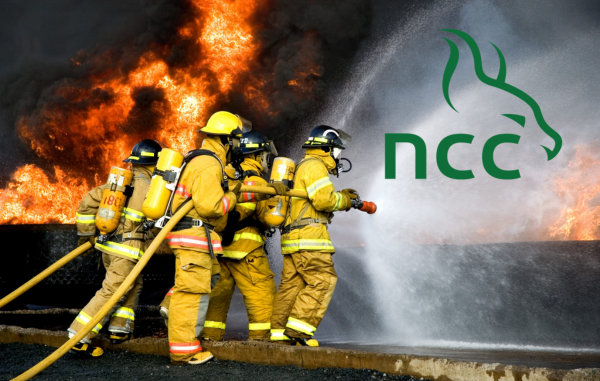
A total of 50 Fire Fighter positions are available on fixed-term contracts for candidates who want to build experience in wildland firefighting, fire prevention and emergency response in the Western Cape. The roles are designed for physically fit individuals who can work in demanding outdoor environments and respond effectively during emergencies.
The successful candidates will become part of a wildland firefighting team responsible for fire prevention, fire suppression and emergency response across various operational bases.
Applications close on 26 August 2026, making this an opportunity for eligible candidates to prepare and submit their applications without delay.
Wildland Firefighter Jobs 2026: Job Overview
The positions are focused on protecting communities, infrastructure and natural areas from wildfires. Firefighters will participate in both active fire suppression and preventative activities.
Because wildland firefighting can involve steep terrain, extreme weather and physically demanding tasks, applicants must maintain a high level of fitness.
| Job Detail | Information |
|---|---|
| Position | 50 × Fire Fighters |
| Contract Type | Fixed-term contract |
| Industry | Firefighting, Emergency Response and Environmental Management |
| Location | Various operational bases, Western Cape |
| Positions Available | 50 |
| Minimum Age | 18 years |
| Physical Requirement | High level of physical fitness |
| Fitness Test | 4.8 km Pack Test |
| Pack Weight | 20 kg |
| Required Time | Under 45 minutes |
| Closing Date | 26 August 2026 |
| Reference Number | BCS/Fire/02/2026 |
What Does a Wildland Firefighter Do?
Wildland firefighters respond to fires occurring in natural and undeveloped environments. Unlike some conventional firefighting roles, the work can take place across forests, grasslands, mountains, bushes and other difficult terrain.
The position combines emergency response with fire prevention.
Firefighters must therefore be prepared to work outdoors, remain physically active for extended periods and follow instructions during high-pressure situations.
The main responsibilities include:
- Direct fire attacks.
- Indirect fire attacks.
- Fire mop-up operations.
- Fire observation and monitoring.
- Fire prevention activities.
- Alien plant clearing.
- Setting up irrigation systems.
- Public fire education.
- Operating firefighting equipment.
- Maintaining tools, machinery and equipment.
- Participating in training.
- Maintaining physical fitness.
- Working scheduled standby shifts.
Firefighting Duties and Responsibilities
Fire Suppression
One of the most important responsibilities is assisting with wildfire suppression.
Firefighters may participate in direct and indirect attacks, depending on the circumstances and instructions from the firefighting team.
They will also perform mop-up activities after a fire has been brought under control. Mop-up is important because remaining hot spots can potentially reignite and cause the fire to spread again.
Fire observation is another important responsibility. Firefighters must remain alert and report changing conditions to the relevant team members.
Fire Prevention
The role is not limited to responding when fires have already started.
Firefighters will also participate in preventative work designed to reduce wildfire risks.
This includes:
- Clearing invasive alien vegetation.
- Setting up irrigation systems.
- Supporting public fire education.
- Identifying potential fire risks.
- Maintaining areas and equipment used during fire prevention operations.
These activities demonstrate why firefighting is closely connected with environmental management and conservation.
Physical Fitness Requirements
Physical fitness is one of the most important aspects of this opportunity.
Wildland firefighting can require individuals to carry equipment, walk long distances, work on uneven terrain and operate in hot or challenging conditions.
Applicants must therefore be physically capable of performing demanding work.
Shortlisted candidates must successfully complete a specific Physical Fitness Assessment.
The assessment includes the following Pack Test:
| Fitness Test Requirement | Standard |
|---|---|
| Distance | 4.8 km |
| Pack weight | 20 kg |
| Maximum time | Under 45 minutes |
This means candidates should take the physical requirement seriously before applying.
The test is not simply a general fitness assessment. It requires the candidate to cover 4.8 km while carrying a 20 kg pack within the specified time.
Occupational Health Assessment
Candidates must also undergo an Occupational Health Practitioner Evaluation as part of the recruitment process.
The position requires good health and the physical capacity to perform firefighting duties safely.
Successful candidates must therefore be prepared for occupational health screening in addition to the physical fitness assessment.
Minimum Requirements
Applicants must meet the basic requirements before applying.
The requirements include:
- Must be 18 years or older.
- Must be available for shift work.
- Must be available for standby duties.
- Must have no criminal record.
- Must have a high level of physical fitness.
- Must be in good health.
- Must be able to pass the Physical Fitness Assessment.
- Must successfully complete the Occupational Health Practitioner Evaluation.
- Must be able to work under pressure.
- Must be able to operate in high-stress environments.
- Must comply with the organisation’s Alcohol, Drug and Substance Use Policy.
- Must be a strong team player.
- Must have excellent observation skills.
The advert does not specify a Grade 12 qualification as an essential requirement. Therefore, candidates should focus on the requirements actually listed in the vacancy rather than assuming that a matric certificate is mandatory.
Skills That Can Help You Succeed
Wildland firefighting requires more than physical strength.
Candidates should also demonstrate strong behavioural and teamwork skills.
Teamwork
Firefighting is a team-based activity. Individuals must follow instructions, communicate effectively and support colleagues during dangerous situations.
Observation
Good observation skills are particularly important because fire behaviour and environmental conditions can change quickly.
A firefighter needs to remain alert and identify changes that could affect the safety of the team.
Working Under Pressure
Emergency situations can involve significant stress. Candidates must be capable of remaining focused while performing their assigned duties.
Discipline and Reliability
Firefighting teams depend on members arriving on time, following procedures and maintaining their equipment.
Reliability is therefore an important part of professional firefighting.
Training and Competency Development
Successful candidates will attend training sessions designed to maintain the required competency levels.
Training is particularly important because firefighting techniques, equipment and safety procedures must be applied correctly.
Candidates should therefore be prepared to continue learning throughout the contract.
Training can also help workers develop transferable skills that may be useful when pursuing future careers in:
- Fire and emergency services.
- Disaster management.
- Environmental management.
- Conservation.
- Occupational health and safety.
- Emergency response.
- Public safety.
- Risk management.
These career paths can provide opportunities for further professional certifications and career development.
Working Conditions
This is a physically demanding outdoor position.
Candidates must be prepared to work in different weather conditions and participate in standby shifts when scheduled.
The work may also involve physically strenuous firefighting and prevention activities.
Applicants should therefore understand that this is not a conventional office-based job.
The role is better suited to individuals who enjoy outdoor work, physical activity, teamwork and emergency response.
Criminal Record Check
A criminal record check forms part of the recruitment process.
Shortlisted candidates will be required to undergo verification before appointment.
Applicants should therefore ensure that the information contained in their CV and application is accurate.
How to Apply for the Firefighter Jobs
Candidates must apply by submitting their most recently updated CV.
The vacancy provides a specific application procedure.
Step 1: Update Your CV
Make sure your CV contains your current contact details, qualifications, work experience and relevant skills.
If you have experience involving:
- Firefighting.
- Emergency response.
- Security.
- Outdoor work.
- Environmental work.
- Conservation.
- Physical labour.
- Safety.
- First aid.
- Team-based operations.
make sure these details are clearly presented where applicable.
Step 2: Name Your CV Correctly
The employer requires the CV to be titled using your Name and Surname.
For example:
John Adam
Avoid using unclear filenames such as “CV Final”, “Updated CV 2026” or “Firefighter Application”.
Step 3: Use the Correct Reference Number
The application must use the correct reference:
BCS/Fire/02/2026
Candidates should include this reference number in the email subject line.
Step 4: Send Your Application
Submit your CV to:
The application must be submitted before the closing date.
Closing Date
The closing date for the 50 Wildland Firefighter positions is 26 August 2026.
Applicants should not wait until the final day to submit their CVs. Sending your application early gives you time to correct any errors or resend the application if necessary.
If you do not receive a response within two weeks, the employer indicates that your application was most likely unsuccessful.
Estimated Salary and Benefits
The vacancy information provided does not specify the remuneration amount or employee benefits.
Therefore, applicants should not assume a particular salary, pension fund, medical aid or other benefits package.
| Employment Benefit | Information Available |
|---|---|
| Estimated Salary | Not specified |
| Medical Aid | Not specified |
| Pension Fund | Not specified |
| Life Insurance | Not specified |
| Disability Cover | Not specified |
| Employee Wellness | Not specified |
| Bonuses | Not specified |
| Paid Leave | Not specified |
| Training Opportunities | Training sessions provided to maintain competency |
Candidates should confirm remuneration and employment conditions with the employer during the recruitment process.
Is This Firefighter Opportunity Right for You?
This opportunity could suit someone who enjoys physically demanding outdoor work and wants to develop experience in emergency response.
It may be particularly attractive to candidates who are interested in building careers in firefighting, disaster management, environmental services or public safety.
However, applicants should realistically assess their fitness before applying.
The 4.8 km Pack Test with a 20 kg pack in under 45 minutes is a significant physical requirement. Candidates should not underestimate the importance of endurance, strength and the ability to work under pressure.
How to Prepare for the Pack Test
Candidates who are shortlisted should prepare specifically for the test rather than relying only on general gym training.
Useful preparation can include:
- Regular walking and running.
- Gradually increasing distance.
- Hill or incline walking.
- Strength training for the legs and core.
- Practising carrying weight safely.
- Improving cardiovascular endurance.
- Training consistently rather than attempting a last-minute fitness push.
Because the assessment involves a 20 kg pack, candidates should avoid suddenly carrying heavy loads if they are not accustomed to them. Build up gradually and prioritise safe training techniques.
Career Development After a Firefighting Job
A fixed-term firefighting position can provide more than immediate employment.
The practical experience gained may help candidates develop transferable skills in emergency response, workplace safety, teamwork and environmental management.
With additional training and recognised qualifications, workers can potentially explore careers such as:
- Firefighter.
- Fire and emergency services officer.
- Disaster management practitioner.
- Occupational health and safety practitioner.
- Environmental management worker.
- Conservation officer.
- Emergency response specialist.
- Safety officer.
- Risk management professional.
Professional development is particularly important in emergency and safety-related careers because employers often value candidates who continue developing their technical knowledge and practical competencies.
Final Thoughts
The 50 Wildland Firefighter positions offer an opportunity for physically fit candidates to gain practical experience in fire prevention, wildfire suppression and emergency response.
The role requires commitment, discipline and strong physical fitness. Most importantly, shortlisted candidates must complete the 4.8 km Pack Test carrying 20 kg in under 45 minutes, pass a criminal record check and successfully complete the occupational health evaluation.
If you meet the requirements and are ready for a demanding outdoor career, prepare your latest CV and submit it to recruitment@ncc-group.co.za using reference BCS/Fire/02/2026.
Applications close on 26 August 2026. Apply before the deadline and continue exploring other opportunities in firefighting, emergency services, environmental management, security, healthcare and other career-development programmes.