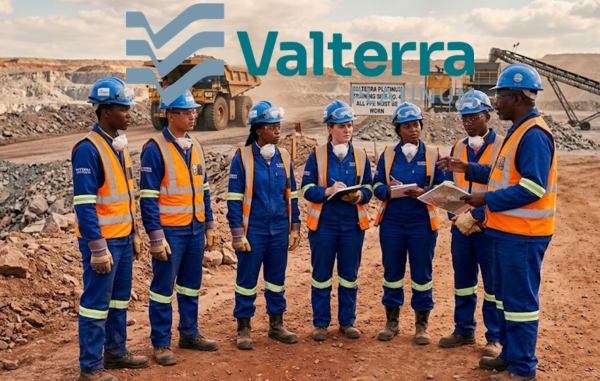
Valterra Platinum, formerly known as Anglo American Platinum, has opened applications for its Engineering Learnership Programme 2026, creating an opportunity for unemployed South African youth who want to pursue a career as a qualified artisan.
The programme is based at the Amandelbult Complex in Thabazimbi, Limpopo, and provides training in two important engineering trades: Fitting and Boilermaking. Successful learners receive practical workplace exposure, theoretical training and a monthly stipend while working towards a nationally recognised artisan qualification.
For young people with an N2 certificate or NCV Level 4, this programme can provide a valuable entry point into the mining, engineering, manufacturing and industrial sectors.
Applications close on 31 August 2026, making it important for eligible applicants to prepare their documents and apply before the deadline.
Valterra Platinum Engineering Learnership 2026 at a Glance
| Job / Programme Detail | Information |
|---|---|
| Programme | Engineering Learnership Programme 2026 |
| Company | Valterra Platinum |
| Former Name | Anglo American Platinum |
| Location | Amandelbult Complex, Thabazimbi, Limpopo |
| Trades | Fitter and Boilermaker |
| Programme Type | Engineering / Artisan Learnership |
| Target Group | Unemployed South African youth |
| Age Requirement | 18–35 years |
| Minimum Qualification | N2 or NCV Level 4 |
| Stipend | Monthly stipend; exact amount not specified |
| Closing Date | 31 August 2026 |
About Valterra Platinum
Valterra Platinum is a major platinum group metals producer with mining and processing operations in South Africa.
The company was previously known as Anglo American Platinum before adopting the Valterra Platinum name. Its operations depend heavily on skilled technical employees who maintain mining, processing and engineering equipment.
This makes artisan development particularly important.
Engineering trades such as fitting and boilermaking play an important role in keeping industrial equipment operational, safe and productive. Through learnership programmes, companies can develop young people who have the technical foundation needed to enter these industries.
For unemployed youth, this can provide an alternative route into a skilled profession without having to rely exclusively on traditional university education.
What Is the Valterra Platinum Engineering Learnership?
The Engineering Learnership is designed to combine theoretical learning with practical workplace training.
Learners receive supervised exposure to an industrial environment while developing the knowledge and practical abilities associated with their selected trade.
The programme covers opportunities for learners interested in becoming:
- Fitters.
- Boilermakers.
The specific trade selected should correspond with the applicant’s existing N2 or NCV subjects.
The combination of classroom-based theory and practical training is important because artisan careers require both technical knowledge and the ability to apply that knowledge safely in the workplace.
What Does a Fitter Do?
A fitter is an engineering artisan who works with machinery and mechanical equipment.
In a mining environment, fitters may work with equipment used for extraction, processing, conveying and other industrial activities.
A career in fitting can involve developing skills in areas such as:
- Mechanical maintenance.
- Machinery installation.
- Equipment assembly.
- Fault identification.
- Repairs and maintenance.
- Preventative maintenance.
- Mechanical components.
- Workplace safety.
The exact duties assigned to learners will depend on the training programme and operational requirements.
What Does a Boilermaker Do?
Boilermakers work with metal structures, equipment and components used in industrial environments.
Their work can involve fabrication, assembly, maintenance and repair of metal structures and equipment.
Boilermaking can therefore provide career opportunities across several industries, including:
- Mining.
- Manufacturing.
- Construction.
- Engineering.
- Industrial maintenance.
- Energy.
- Infrastructure.
Like fitting, boilermaking is a practical trade that requires strong attention to safety, accuracy and technical procedures.
Who Can Apply?
The programme is aimed at unemployed South African youth who meet the stated requirements.
Applicants must:
- Be South African citizens.
- Be between 18 and 35 years old.
- Be unemployed.
- Have an N2 certificate or NCV Level 4.
- Have subjects relevant to the selected trade.
- Not currently be enrolled in another learnership or qualification programme.
- Be medically fit to work in an industrial plant environment.
Preference is given to applicants from host communities around the Amandelbult Complex in Thabazimbi.
Applicants from these communities should therefore ensure that they have the required proof of residence.
N2 and NCV Level 4 Requirements Explained
The qualification requirement is particularly important for applicants who want to pursue artisan careers.
An N2 certificate provides a technical education foundation that can support progression into engineering trades.
Alternatively, candidates with NCV Level 4 may qualify where their subjects are relevant to the selected trade.
Applicants should carefully check that their subjects align with the trade they intend to select.
For example, someone applying for the Fitter opportunity should ensure that their academic background meets the requirements associated with fitting, while a Boilermaker applicant should meet the corresponding trade requirements.
Skills That Can Help You Succeed
Although the qualification requirements determine eligibility, certain personal and technical characteristics can help learners succeed in an engineering environment.
Useful attributes include:
- Mechanical interest.
- Technical problem-solving ability.
- Attention to detail.
- Good communication.
- Ability to follow instructions.
- Commitment to workplace safety.
- Willingness to learn.
- Teamwork.
- Reliability.
- Physical readiness for industrial work.
- Ability to work in a structured environment.
Artisan careers can involve working around machinery, tools and industrial equipment. Consequently, safety awareness must remain a priority throughout training.
What Does the Learnership Offer?
Successful learners can expect a combination of theoretical and practical development.
The programme provides:
- A monthly stipend during the learnership.
- Theoretical technical training.
- Practical workshop experience.
- Supervised workplace training.
- Exposure to mining and engineering environments.
- Development under qualified artisans.
- A nationally recognised artisan qualification upon successful completion.
The exact stipend amount is not provided in the supplied vacancy information, so applicants should not rely on unofficial figures when calculating expected income.
Estimated Salary and Benefits
Because this is a learnership rather than a permanent employment position, the financial package differs from what a qualified artisan would normally receive.
| Benefit | Estimated / Available Information |
|---|---|
| Monthly Stipend | Provided; exact amount not specified |
| Medical Aid | Not specified |
| Pension Fund | Not specified |
| Life Insurance | Not specified |
| Disability Cover | Not specified |
| Employee Wellness | Not specified |
| Bonuses | Not specified |
| Paid Leave | Not specified |
| Training Opportunities | Yes – theoretical and practical artisan training |
Applicants should distinguish between the learnership stipend and the salary of a qualified Fitter or Boilermaker. Completing the qualification can create opportunities to apply for future artisan positions, but permanent employment is not guaranteed by the supplied information.
Why Artisan Careers Are Worth Considering
University is not the only route towards a successful career.
South Africa’s mining, manufacturing, construction and engineering industries require people with practical technical skills. Qualified artisans can therefore develop careers in areas such as maintenance, production, engineering support and industrial operations.
Fitting and boilermaking are particularly transferable trades.
A person who qualifies as an artisan can potentially explore opportunities beyond a single mining company, depending on their experience, qualifications and future opportunities.
Potential sectors include:
- Mining.
- Manufacturing.
- Construction.
- Engineering services.
- Industrial maintenance.
- Energy.
- Infrastructure.
- Mineral processing.
This makes artisan training relevant to broader engineering careers and technical career development.
Learnerships vs University: Which Route Is Better?
There is no single career path that works for everyone.
University can be an excellent route for careers requiring academic degrees, such as engineering, accounting, medicine, data science or financial planning.
However, learnerships can be particularly valuable for people who prefer practical and technical careers.
An artisan learnership can provide:
- Practical workplace experience.
- Technical training.
- Exposure to qualified professionals.
- A structured learning environment.
- A recognised qualification.
- A pathway towards skilled employment.
For someone who enjoys working with machinery and solving practical problems, an artisan career may be a better fit than a purely academic programme.
Required Documents
Applicants should prepare the documents required for the application.
These include:
- Certified copy of South African ID.
- Certified N2 certificate or NCV Level 4 statement of results.
- Updated CV.
- Proof of residence for applicants from relevant host communities.
- Additional trade-related certificates, where applicable.
Make sure scanned documents are clear and readable.
A document that is incomplete, blurry or missing important information can create problems during the recruitment process.
How to Apply for the Valterra Platinum Engineering Learnership
Eligible applicants should apply through the company’s official recruitment platform.
Follow these steps:
- Visit the Valterra Platinum careers portal.
- Create an account or log in to an existing profile.
- Search for the Engineering Learnership Programme, 18.2 Unemployed, 2026 vacancy.
- Review the requirements carefully.
- Select the trade that corresponds with your N2 or NCV subjects.
- Prepare your required documents.
- Upload clear copies of your documents.
- Complete all sections of the online application.
- Check your information before submitting.
- Submit your application before the closing date.
Apply through Valterra Platinum Careers
Closing Date
The closing date for the Valterra Platinum Engineering Learnership Programme 2026 is 31 August 2026.
Applicants should not wait until the final day. Preparing certified documents, checking qualification requirements and completing an online application can take time.
Late applications will not be accepted according to the supplied vacancy information.
Frequently Asked Questions
What trades are available?
The Engineering Learnership provides opportunities for Fitters and Boilermakers.
What qualification do I need?
Applicants need an N2 certificate or NCV Level 4 with subjects relevant to the selected trade.
How old must I be?
Applicants must be between 18 and 35 years old.
Do I need to be employed?
No. The programme is aimed at unemployed South African youth.
Where is the learnership located?
The programme is based at the Amandelbult Complex in Thabazimbi, Limpopo.
Is there a stipend?
Yes. Successful learners receive a monthly stipend, although the exact amount is not specified in the supplied information.
Will I receive an artisan qualification?
Successful completion of the programme leads to a nationally recognised Artisan Qualification, according to the supplied vacancy information.
Can I apply if I am currently studying?
The supplied requirements state that applicants must not currently be enrolled in another learnership or qualification programme.
Final Thoughts
The Valterra Platinum Engineering Learnership 2026 is an opportunity worth considering for unemployed young South Africans who want to build practical careers in engineering and the mining industry.
The combination of technical theory, practical workplace exposure and artisan training can help learners develop skills that are useful well beyond the mining sector. Fitters and Boilermakers can potentially build careers across mining, manufacturing, construction, engineering and industrial maintenance.
For applicants with an N2 or relevant NCV Level 4 qualification, this could be an important opportunity to move from technical education into practical workplace training.
If you meet the requirements, prepare your documents and apply before 31 August 2026. Do not wait until the closing date. Also explore other mining learnerships, engineering internships, artisan programmes, TVET College opportunities, graduate programmes and entry-level jobs to increase your chances of starting a sustainable career.
Apply now and take the first step towards becoming a qualified artisan.