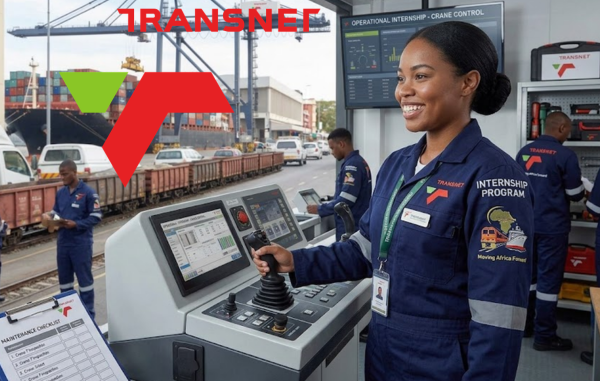
Transnet is inviting eligible students and recent graduates to apply for its Work Integrated Learning (WIL) Trainee Programme 2026. The programme is designed to help candidates gain practical workplace experience while applying the knowledge they acquired through their studies.
The 12-month WIL programme provides exposure to real workplace responsibilities, mentorship, training and professional development. It can be particularly valuable for students who have completed the theoretical component of an N4–N6 qualification and now require workplace experience to progress towards their qualification.
Opportunities are available across several South African locations, including Cape Town, Saldanha, Durban, Ngqura, Port Elizabeth, Germiston, Koedoespoort, Salt River, Bloemfontein and Uitenhage.
Transnet WIL Trainee Programme 2026 Overview
| Job Detail | Information |
| Company | Transnet |
| Programme | Work Integrated Learning (WIL) Trainee Programme |
| Duration | 12 months |
| Opportunity Type | Work Integrated Learning / Internship |
| Fields | Office Management, Human Resources, Marketing, Financial Management |
| Qualification Level | N4–N6 theoretical studies |
| Locations | Multiple locations across South Africa |
| Closing Date | 20 August 2026 |
The supplied programme information does not specify a salary or stipend amount. Applicants should therefore confirm the remuneration arrangements on the official application platform or vacancy advert rather than relying on an estimated figure.
What Is the Transnet WIL Trainee Programme?
Work Integrated Learning is intended to connect academic learning with practical workplace experience.
Instead of only learning concepts in a classroom, participants get an opportunity to observe and perform workplace activities under supervision.
The programme is expected to help trainees develop:
- Practical workplace skills.
- Professional communication.
- Administrative abilities.
- Research and analytical skills.
- Teamwork.
- Problem-solving.
- Workplace ethics.
- Understanding of organisational procedures.
- Industry-specific experience.
For students who need experiential learning, this type of programme can be an important bridge between completing theoretical studies and entering full-time employment.
Available Transnet WIL Opportunities
The programme includes several opportunities for candidates who have completed the required theoretical N4 to N6 subjects.
Work Integrated Learner: Office Management, Human Resources, Marketing and Financial Management
Opportunities are available in:
- Cape Town.
- Saldanha.
- Durban.
- Ngqura.
- Port Elizabeth.
Applicants must have completed all theoretical N4 to N6 requirements in one of the following fields:
- Office Management.
- Human Resources.
- Marketing.
- Financial Management.
This group of opportunities can suit candidates interested in business administration, human resources, marketing, accounting and financial services.
Work Integrated Learner: Office Management
A second group of opportunities is available for candidates who have completed all theoretical N4 to N6 Office Management studies.
Locations include:
- Germiston.
- Koedoespoort.
- Salt River.
- Durban.
- Bloemfontein.
- Uitenhage.
Office Management is a versatile field because administrative skills are required across many departments and industries.
Trainees can potentially develop experience in areas such as documentation, reporting, communication, scheduling and general administration.
Work Integrated Learner: Human Resources
Transnet is also offering WIL opportunities for candidates who have completed all theoretical N4 to N6 Human Resources studies.
The listed locations include:
- Koedoespoort.
- Germiston.
- Durban.
- Uitenhage.
- Salt River.
- Bloemfontein.
This opportunity is particularly relevant to candidates interested in Human Resources, recruitment, employee administration and people management.
Workplace exposure can help HR students understand how theoretical concepts are applied when dealing with employees and organisational processes.
What Will Transnet WIL Trainees Do?
The programme involves several categories of workplace responsibilities.
Trainees will work under supervision and assist experienced employees with assigned activities.
Task Execution and Operational Support
Participants may assist with specific projects within their departments or workstreams.
Their responsibilities can include:
- Supporting departmental projects.
- Performing routine operational tasks.
- Assisting with administrative activities.
- Preparing documentation.
- Supporting reporting processes.
- Completing assigned tasks under supervision.
This experience can help trainees understand how organisations plan, execute and monitor day-to-day operations.
Training and Professional Development
Learning does not stop once trainees enter the workplace.
The programme includes opportunities to participate in:
- Training sessions.
- Workshops.
- Mentorship programmes.
- Professional development activities.
- Job shadowing.
Trainees can also shadow experienced professionals to understand how different roles operate in practice.
This exposure can help bridge the gap between theoretical education and the expectations of employers.
Communication and Teamwork
Effective communication is an important workplace skill regardless of your field of study.
WIL trainees may interact with:
- Internal teams.
- Customers.
- Suppliers.
- Other stakeholders.
Participants may also serve as a point of contact for queries and provide assistance where required.
As a result, the programme can help develop both verbal and written communication skills.
Research and Data Analysis
The programme also provides exposure to research and analysis.
Depending on the department, trainees may be required to:
- Conduct market research.
- Collect information.
- Analyse data.
- Assist with business decision-making.
- Prepare reports.
- Create presentations.
- Use Microsoft Office applications.
These skills are increasingly valuable across business administration, HR, finance, marketing and logistics careers.
Compliance and Workplace Safety
Trainees must follow Transnet’s workplace requirements throughout the programme.
Responsibilities include:
- Following company policies.
- Following procedures.
- Complying with safety regulations.
- Maintaining professional standards.
- Acting ethically.
- Maintaining confidentiality.
- Protecting the integrity of workplace information.
Understanding compliance is particularly useful for people pursuing careers in human resources, finance, procurement, supply chain, logistics and business administration.
Why Work Integrated Learning Is Important
Many students discover that completing the theoretical component of a qualification is only one part of entering the workplace.
Employers often look for candidates who can demonstrate practical experience.
A WIL programme can help address this challenge by giving participants an opportunity to develop workplace competencies before pursuing permanent employment.
For example, an Office Management student can move beyond classroom theory and gain practical exposure to administration and reporting.
Similarly, an HR student can observe how employee-related processes operate within a large organisation.
Career Opportunities After WIL
The experience gained through a WIL programme can potentially support future applications for entry-level positions.
Depending on the qualification and experience gained, candidates may explore careers such as:
- Administrative Assistant.
- Office Administrator.
- Human Resources Administrator.
- HR Assistant.
- Recruitment Assistant.
- Marketing Assistant.
- Financial Administration Clerk.
- Logistics Administrator.
- Operations Administrator.
- Supply Chain Administrator.
Additional education and professional certifications can further improve career progression.
For example, candidates interested in HR could consider HR certifications, while those interested in business operations could explore project management, business administration or supply chain qualifications.
Salary and Benefits
The supplied vacancy information does not provide a specific stipend or salary.
Therefore, applicants should not assume a particular monthly amount.
| Benefit | Information |
| Salary / Stipend | Not specified in supplied information |
| Medical Aid | Not specified |
| Pension Fund | Not specified |
| Life Insurance | Not specified |
| Disability Cover | Not specified |
| Employee Wellness | Not specified |
| Bonuses | Not specified |
| Paid Leave | Not specified |
| Training | Training, workshops and mentorship included |
| Programme Duration | 12 months |
The strongest confirmed benefits from the supplied information are the practical workplace experience, training, mentorship and industry exposure provided during the 12-month programme.
Who Should Consider Applying?
The programme is particularly relevant to candidates who have completed the required theoretical component of an N4–N6 qualification.
It may suit people who want to gain practical experience in:
- Human Resources.
- Office Administration.
- Business Administration.
- Marketing.
- Financial Management.
- Operations.
- Logistics and supply chain environments.
Candidates should carefully check the specific opportunity and location before submitting their application.
Why Transnet Experience Can Strengthen Your CV
Transnet operates across important areas of South Africa’s transport and logistics infrastructure.
For a young person starting a career, workplace exposure within a large organisation can provide useful experience in areas such as:
- Professional communication.
- Administration.
- Operational support.
- Reporting.
- Customer service.
- Data management.
- Teamwork.
- Compliance.
- Workplace safety.
These competencies can be transferred to other industries and future positions.
How to Prepare Your Application
Before applying, make sure your CV clearly reflects your education and relevant skills.
Your CV should include:
- Full name and contact details.
- Educational qualifications.
- N4–N6 subjects completed.
- Relevant technical or computer skills.
- Communication skills.
- Administrative experience, if applicable.
- Any previous workplace exposure.
- References, where appropriate.
Even if you have no formal employment history, you can highlight relevant academic projects, practical assignments, volunteering or other legitimate experience.
Do not exaggerate your qualifications or claim experience you do not have.
How to Apply for the Transnet WIL Programme
Applications are being accepted online.
Candidates can access the application through the provided application platform and select the relevant Transnet WIL opportunity.
Application Steps
- Prepare an updated CV.
- Confirm that you have completed the required theoretical N4–N6 subjects.
- Check the location associated with the opportunity.
- Open the Transnet WIL application page.
- Complete the application form accurately.
- Upload the requested documents.
- Review your information carefully.
- Submit your application before the deadline.
Application Closing Date
The closing date for the Transnet WIL Trainee Programme is:
20 August 2026
Because the deadline is approaching, applicants should avoid waiting until the final day.
Check your documents and qualification information before submitting the application.
NB. Use the links given below to Apply
Work Intergrated Learner (Cape Town, Saldanha, Durban, Ngqura, Port Elizabeth)
Apply Online for the Work Intergrated Learner (Cape Town, Saldanha, Durban, Ngqura, Port Elizabeth)
Work Integrated Learner (Germiston, Koedoespoort, Saltriver, Durban, Bloemfontein, Uitenhage)
Apply Online for the Work Integrated Learner (Germiston, Koedoespoort, Saltriver, Durban, Bloemfontein, Uitenhage)
Work Integrated Learner (Koedoespoort, Germiston, Durban, Uitehage, Saltriver, Bloemfontein)
Apply Online for the Work Integrated Learner (Koedoespoort, Germiston, Durban, Uitehage, Saltriver, Bloemfontein)
Frequently Asked Questions
What is the duration of the Transnet WIL programme?
The Work Integrated Learning Trainee Programme runs for 12 months.
Which qualifications are accepted?
The listed opportunities are for candidates who have completed all theoretical N4 to N6 studies in relevant fields.
These include Office Management, Human Resources, Marketing and Financial Management, depending on the specific vacancy.
Is the programme available in Bloemfontein?
Yes. Bloemfontein is listed among the locations for the Office Management and Human Resources WIL opportunities.
Is Durban included?
Yes. Durban appears among the locations for several of the available WIL opportunities.
Are Marketing students eligible?
Yes. Marketing is included among the fields for one of the listed Work Integrated Learner opportunities.
Are Financial Management students eligible?
Yes. Financial Management is included in the listed fields for one of the WIL opportunities.
Is Human Resources included?
Yes. Transnet has listed WIL opportunities specifically for candidates who have completed theoretical N4–N6 Human Resources studies.
Does the supplied advert specify a salary?
No. The supplied information does not state a salary or stipend amount.
When does the programme close?
The application closing date is 20 August 2026.
Final Thoughts
The Transnet Work Integrated Learning Trainee Programme 2026 offers N4–N6 students an opportunity to move from theoretical education into practical workplace training.
With opportunities covering Office Management, Human Resources, Marketing and Financial Management, the programme can be relevant to candidates pursuing careers in administration, HR, finance, marketing, operations and related business fields.
The 12-month programme also includes training, mentorship, job shadowing, project support, research, reporting and workplace exposure, giving participants an opportunity to develop practical skills that can strengthen future job applications.
If you have completed the required N4–N6 theoretical studies, check the available locations and submit your application before 20 August 2026. Don’t wait until the closing date. After applying, continue exploring Transnet vacancies, logistics careers, supply chain opportunities, HR internships, learnerships, graduate programmes and other Work Integrated Learning opportunities to build a stronger career path.